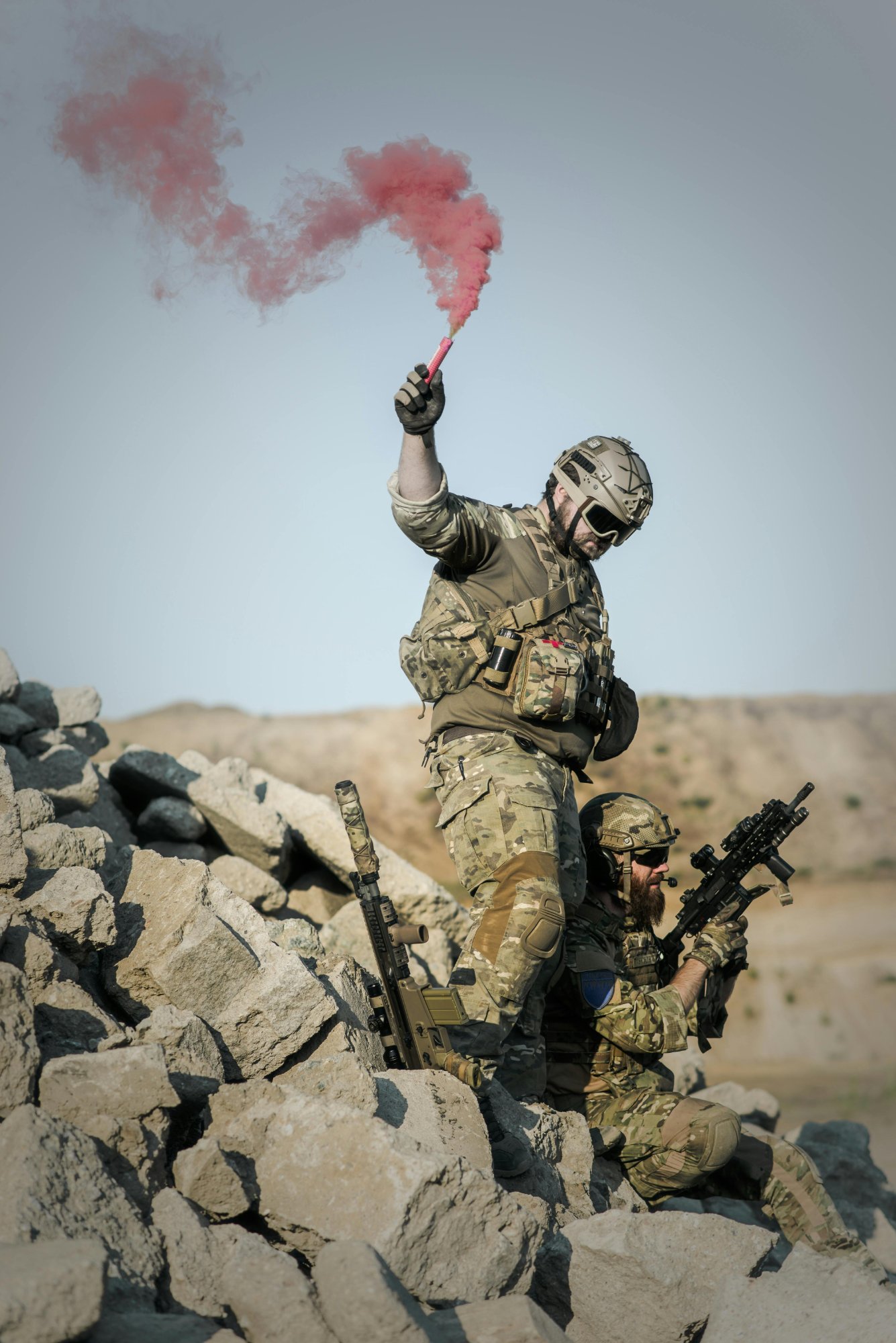
Small Arms & Soldier Systems
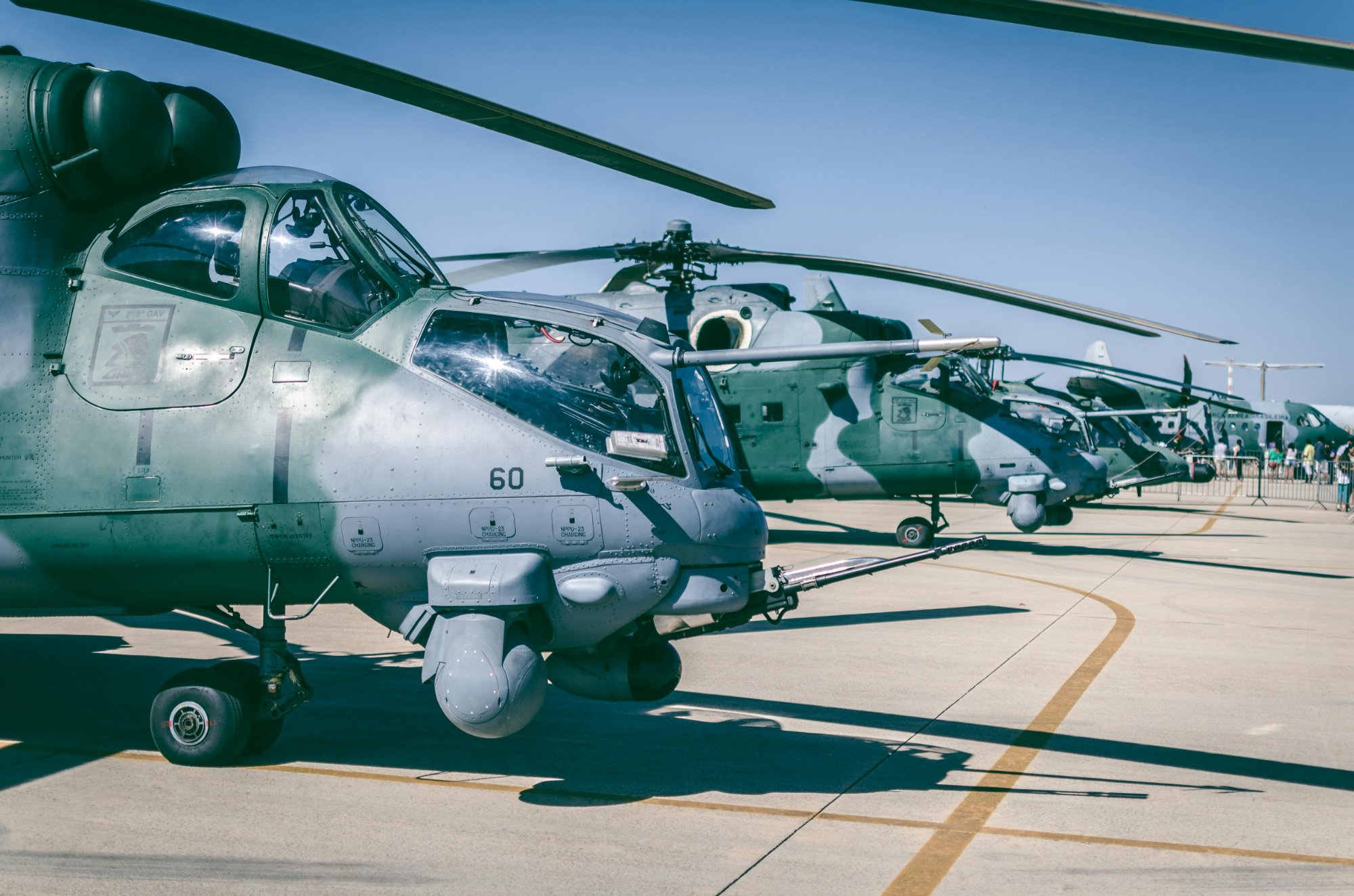
Comms & Electronics
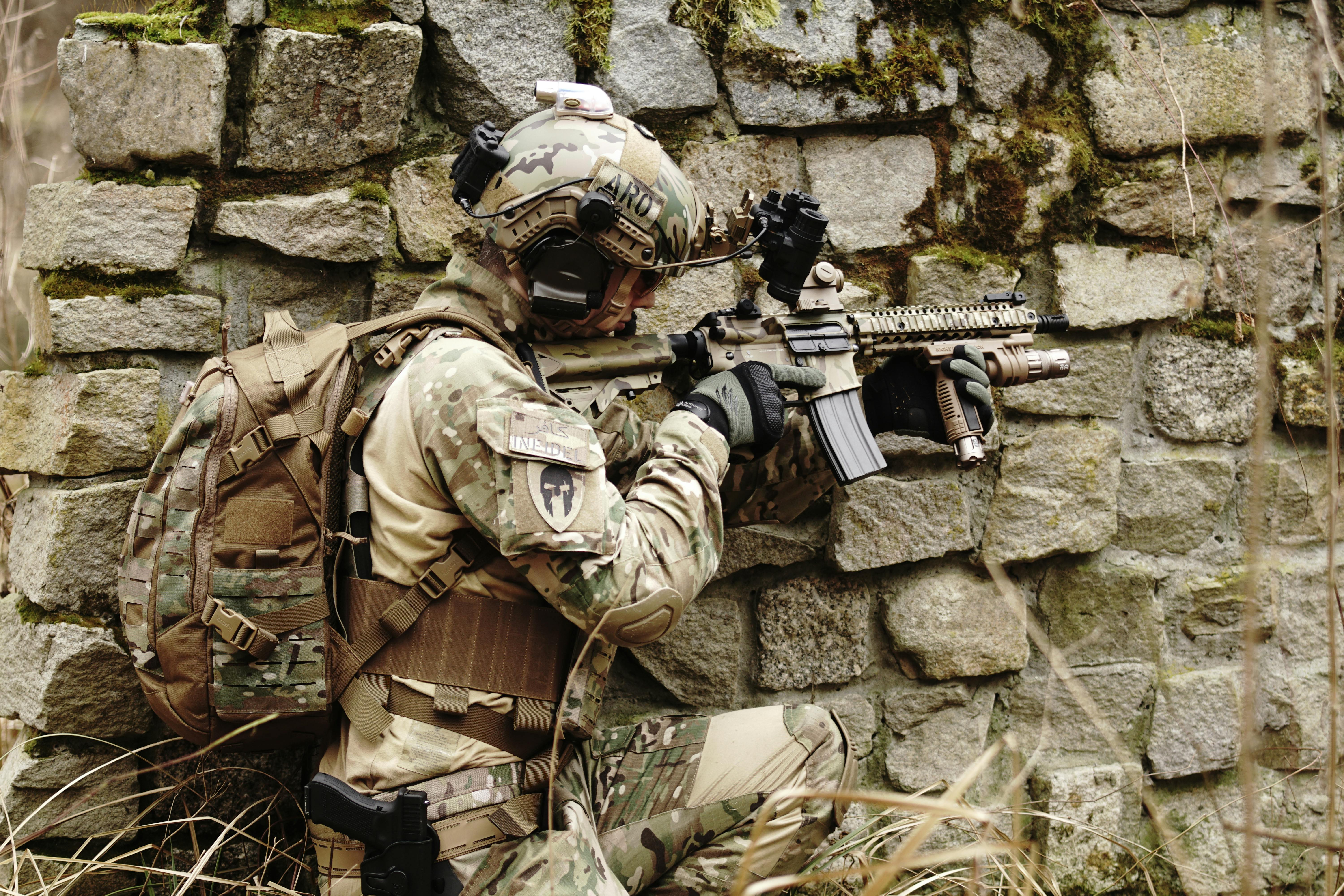
Armor & Protection
Veles Dynamics is a US-based defense procurement firm helping clients identify, evaluate, and acquire equipment from trusted US manufacturers and suppliers — from initial inquiry through final delivery.
We work with US manufacturers and authorized distributors to identify, evaluate, and deliver equipment across a range of procurement channels. Our role is to simplify the sourcing process — connecting clients with the right suppliers and coordinating the transaction from inquiry to delivery.
Service rifles, pistols, crew-served weapons, and ammunition sourced from US manufacturers.
Body armor, vehicle protection systems, and ballistic materials to NIJ and MIL-SPEC standards.
Tactical radios, encrypted comms systems, and battlefield electronics.
Individual equipment, load-bearing systems, and sustainment gear from DoD-qualified suppliers.
Defense equipment procurement involves a layered landscape of regulations, channel requirements, and documentation standards. Understanding which frameworks apply — and engaging the right parties at each step — is essential to a successful transaction.
Veles Dynamics helps clients navigate this landscape. We coordinate with manufacturers, legal counsel, and logistics partners who carry the appropriate authorizations for each procurement type, so clients can focus on their requirements rather than the process.
| ITAR | International Traffic in Arms Regulations. Governs the export of defense articles on the US Munitions List. Administered by the State Department. |
| EAR | Export Administration Regulations. Covers dual-use items on the Commerce Control List. Administered by the Commerce Department. |
| EUC | End-User Certificate. Documentation confirming the ultimate recipient and intended use — required by most US manufacturers for foreign sales. |
| FMS | Foreign Military Sales. Government-to-government channel administered by DSCA. Often the required pathway for controlled defense articles. |
| DCS | Direct Commercial Sales. Commercial channel between US firms and foreign buyers, subject to applicable export controls. |
| OFAC | Office of Foreign Assets Control. Administers US sanctions programs. All parties in a transaction are screened against OFAC lists. |
We review your requirement and identify appropriate US manufacturers and suppliers for the equipment type.
We engage US manufacturers and authorized distributors on your behalf, presenting your requirement and coordinating initial responses.
We help clients understand which procurement channel and regulatory pathway applies, and connect them with appropriate legal and logistics partners.
We facilitate communication between buyers, manufacturers, and freight partners throughout the procurement process.
We coordinate with logistics and freight partners to support delivery, working alongside the parties responsible for applicable documentation and compliance.
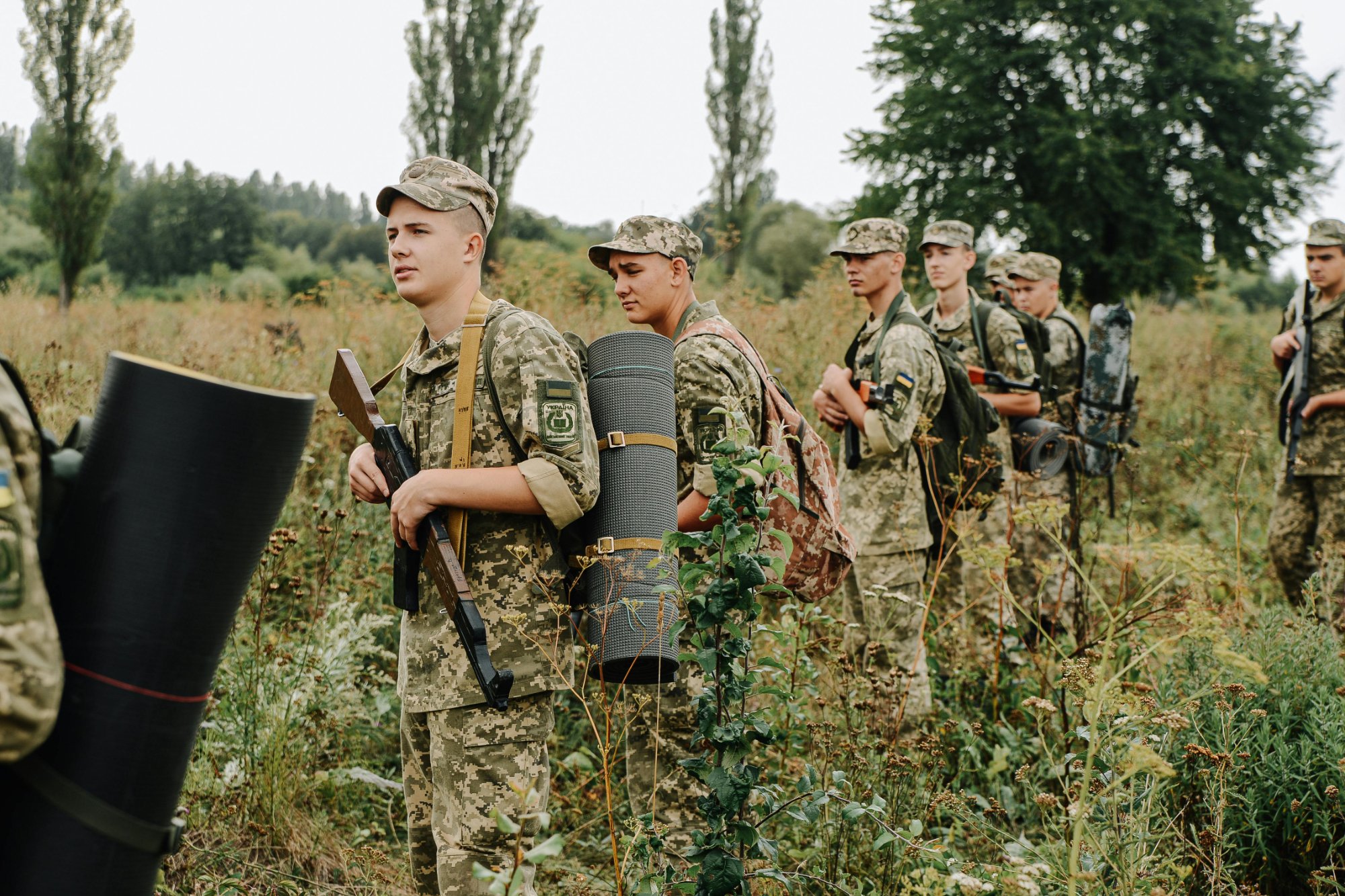
Defense agencies, military branches, and procurement offices seeking a reliable sourcing partner to identify and acquire US-manufactured equipment efficiently.
Prime contractors and integrators requiring specific components, subsystems, or equipment from US suppliers to fulfill program deliverables.
Foreign defense procurement offices working to source US-origin equipment through appropriate government or commercial channels.
Defense procurement is time-consuming and fragmented. Identifying the right manufacturer, confirming availability, coordinating logistics, and managing documentation across multiple parties takes resources most procurement offices would rather spend elsewhere.
We handle the sourcing, coordination, and relationship management — so clients can focus on their requirements, not their supplier outreach.
Veles Dynamics handles that workload — providing direct access to US manufacturers, coordinating with the specialists each transaction requires, and managing the process from inquiry to delivery.
We understand the landscape and help customers engage the right parties for their procurement type.
We manage communication between buyers, manufacturers, legal counsel, and freight partners throughout the transaction.
Direct relationships with US manufacturers means faster sourcing and reliable product provenance.
We work across government and commercial channels — whichever fits the client's program and timeline.
Incorporated and operating in the United States, with established relationships across the US defense supply chain.
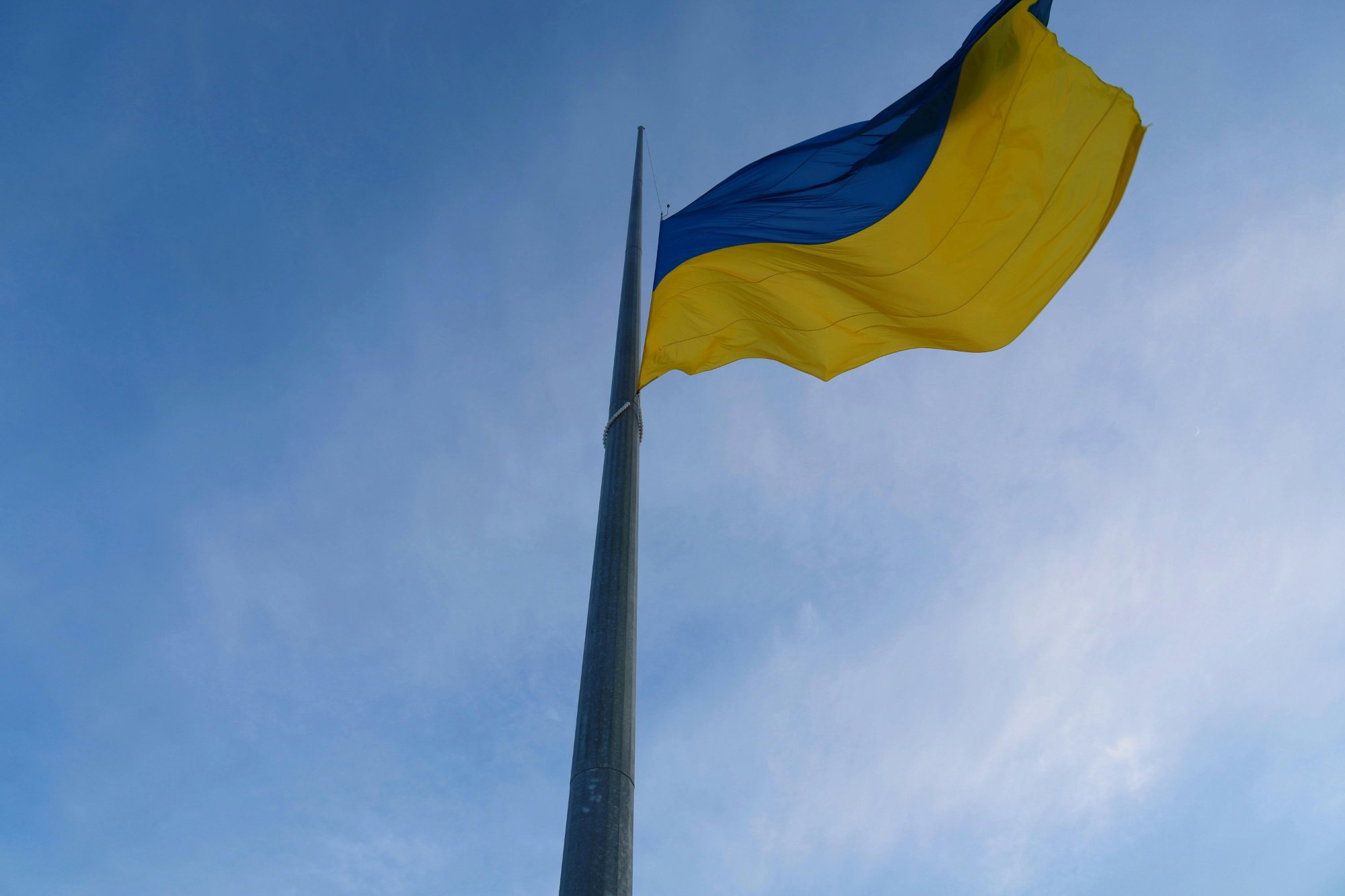
The following categories reflect equipment needs widely reported by the Ukrainian Ministry of Defense and partner organizations. All inquiries are coordinated through appropriate legal channels.
Submit your inquiry below. Our team will respond to coordinate compliant donation or procurement pathways.
Whether you represent a government agency, a defense contractor, or an international procurement office, we welcome your inquiry. All initial discussions are treated as confidential.